
Imagine you’re sipping your morning coffee, the rich aroma filling the air, when a sudden wave of dizziness hits you like a whisper from the unknown. What if that fleeting moment was your body’s quiet alarm? Strokes don’t always strike without notice—research suggests warning signs can emerge up to a week earlier, often as transient ischemic attacks (TIAs), mini-strokes that resolve quickly but signal bigger trouble. You might dismiss them as fatigue from a long day, yet recognizing these subtle cues could make all the difference. Picture the regret of overlooking a simple symptom that could have prompted timely help. In the following lines, we’ll uncover these hidden signals, blending real-life glimpses with science-backed insights. But hold on—what if one of these signs is already whispering to you?
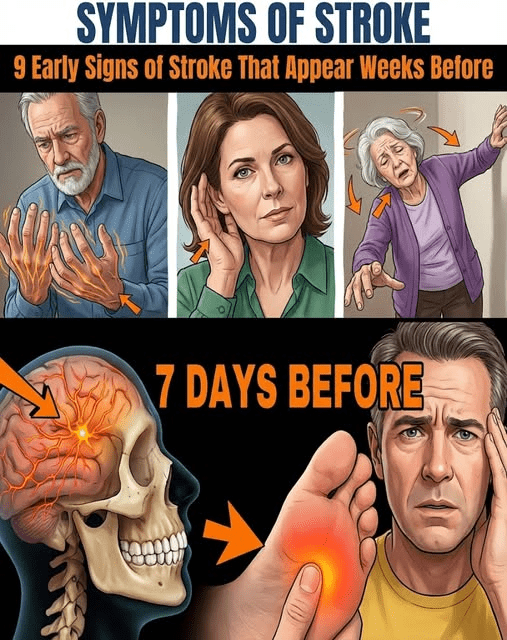
Strokes affect millions in the U.S. each year, striking without mercy and leaving lasting impacts on mobility, speech, and independence. The urgency is real: every minute without treatment can mean the loss of nearly 2 million brain cells. You might think, “It won’t happen to me,” but these events often target those over 45, creeping up amid everyday stresses.
The consequences ripple outward—family burdens, mounting medical bills, and a altered sense of self. Ignoring early hints could escalate a manageable alert into a life-altering crisis. Have you ever wondered why some people recover fully while others don’t?
What makes these pre-stroke signs so tricky is their fleeting nature, often vanishing before you connect the dots. But what if you knew exactly what to watch for?
Understanding the Silent Build-Up
Before diving into the signs, consider how strokes brew. Restricted blood flow to the brain, whether from clots or bleeds, can send advance warnings. These aren’t guarantees, but studies show they may appear days ahead.
Think of your body as a vigilant sentinel, flashing signals you might overlook in the hustle.
9. Unusual Fatigue That Drains Your Day

Picture Sarah, a 52-year-old teacher from Ohio, who suddenly felt exhausted mid-lesson, her usual energy sapped as if she’d run a marathon without moving. She brushed it off as stress, but it lingered for days.
Research indicates persistent fatigue could stem from reduced brain oxygen, a potential precursor to stroke. It’s not your typical tiredness—it’s overwhelming, hitting without cause.
You might think, “I’m just getting older,” but this could signal something deeper. Imagine reclaiming your vitality by heeding this cue early.
Sarah later learned it was a TIA; prompt check-up might have changed her path. But wait, the next sign might surprise you even more—it’s subtler than you expect.
8. Nausea or Vomiting Without a Clear Trigger
Envision Mike, 48, from Texas, enjoying a family barbecue when a wave of nausea struck, the smoky scent turning sour in his stomach without any bad food to blame.
Studies suggest this could relate to disrupted brain signals, appearing up to a week before a full stroke. It’s often paired with dizziness, making everyday tasks feel unsteady.
Perhaps you’re wondering if it’s just indigestion. Yet, when unexplained, it warrants attention—could this be your body’s plea for help?
Mike ignored it at first, but reflecting back, it was a key hint. Hang on, though—the following one involves something you use every day.
7. Sudden Confusion or Memory Lapses
Recall Linda, a 55-year-old accountant in Florida, who midway through a meeting forgot her colleague’s name, her thoughts fogging like a misty morning despite a good night’s sleep.
Evidence from neurology research points to brief confusion as a TIA symptom, potentially forewarning a stroke within days. It’s disorienting, affecting focus without obvious reason.
You could be thinking, “Everyone has off days.” True, but persistent lapses might indicate restricted blood flow.
Linda’s story turned positive when she sought advice; it empowered her. But there’s more—this next sign hits close to home for many.


0 commentaires:
Enregistrer un commentaire